
Manufacturing Grants - 70% Funding Up To £100,000
The Flintshire and Wrexham Investment Zone Manufacturing SME Grant has been introduced to help manufacturing businesses invest in growth, efficiency, sustainability, and modernisation. The wider programme is focused on strengthening manufacturing across the region, supporting skilled jobs, encouraging investment, and helping businesses improve how they operate over the long term.
Could You Be Eligible?
The grants are aimed at SME manufacturing businesses operating from premises within Flintshire and Wrexham. Your business must manufacture finished goods using machinery, tools, labour, or industrial processes. The scheme is designed for established manufacturers looking to improve productivity, operational efficiency, sustainability, or long-term competitiveness.
How Can The Grants Be Used?
The grants cover three main areas: capital equipment, accreditation and certification, and property adaptations linked to decarbonisation and energy efficiency. That could include machinery upgrades, infrastructure improvements, sustainability projects, energy reduction measures, or operational improvements designed to support future manufacturing growth.

Decarbonisation And Energy Efficiency Improvements
Manufacturing businesses are now looking more closely at energy use, operational efficiency, and carbon reduction. Rising energy costs are part of that, but customer expectations and supply chain requirements are also becoming more important. Larger organisations increasingly expect suppliers to demonstrate genuine commitment towards sustainability and environmental improvement.
Solar Projects For Manufacturing Businesses
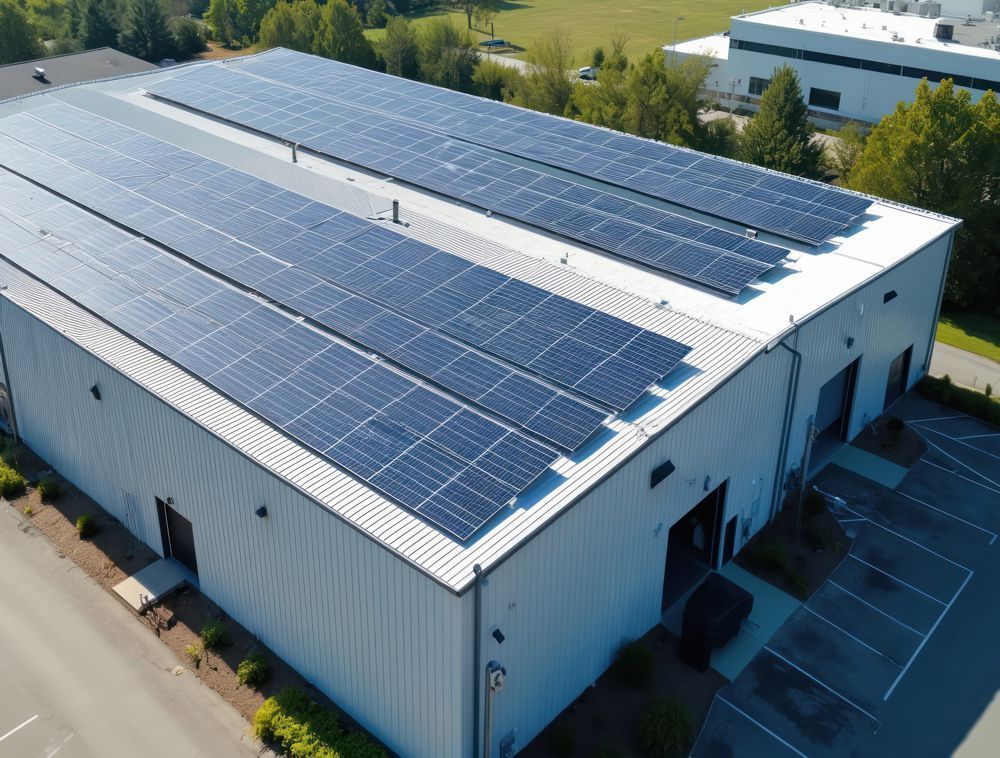
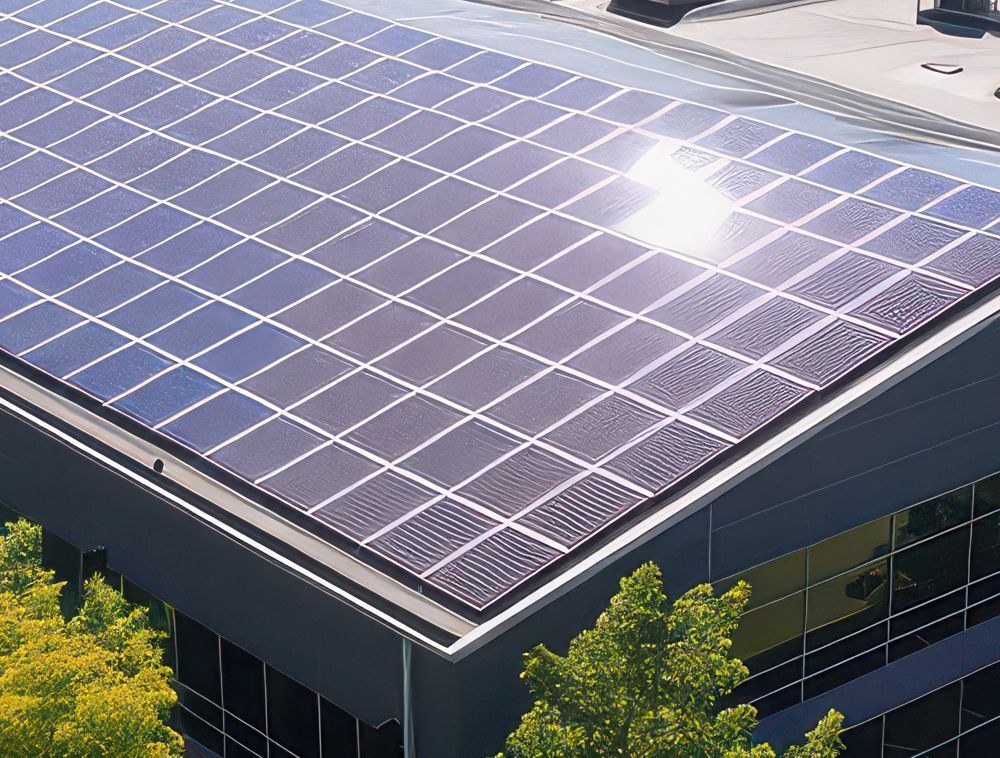
For many manufacturers, solar is part of a wider operational strategy rather than simply reducing electricity bills. Manufacturing sites often use large amounts of daytime energy, which can make solar particularly relevant within production environments. Solar projects may help reduce long-term operating costs while supporting wider sustainability and energy efficiency goals.

Understanding Project Costs And Grant Funding
Eligible manufacturing businesses may apply for grants ranging from £5,000 to £100,000 per project, with funding covering up to 70% of eligible costs. Businesses are required to contribute match funding and initially finance the project before reimbursement. Depending on project value, three or four quotations will normally be required during the process.
The Application Process
The process begins with an Expression of Interest submitted through Flintshire County Council. Following an initial review, eligible businesses may be invited to discuss the proposal further before progressing to a full application. Applications are assessed against areas including business need, sustainability, project impact, innovation, deliverability, and value for money.
Understanding Project Scope, Costs And Potential Benefits
Before submitting an Expression of Interest, it helps to understand what the project is likely to involve, what level of investment may be required, and what the operational and financial benefits could realistically be. A well-considered proposal with realistic costs, measurable benefits, and clear operational value is likely to create a stronger application.
Preparing A Stronger Grant Application
The strongest applications are usually built around clear operational need, realistic planning, measurable business benefits, and a practical understanding of costs and outcomes. Manufacturing businesses that clearly demonstrate sustainability improvements, operational impact, and long-term value are likely to strengthen their position during assessment.
How We Can Help With Your Solar Project
Every manufacturing site operates differently, so understanding what is realistic for your business is important before moving too far into the process. Energy usage, operational hours, production demands, roof structures, and future expansion plans can all affect suitability. We can help you understand what may be practical, commercially worthwhile, and suitable for your site. We will also be able to give you a quote, to help your grant application
FAQs
JCW Electrical Services are not affiliated.

Helping to reduce operating costs and support sustainability and energy efficiency goals