Electrical work that supports how your building operates

Electrical infrastructure underpins everything else in a building. When it’s designed and installed correctly, it allows systems to run reliably, safely, and without interruption. Whether upgrading existing installations or delivering new works, the focus is on long-term performance, not short-term fixes.
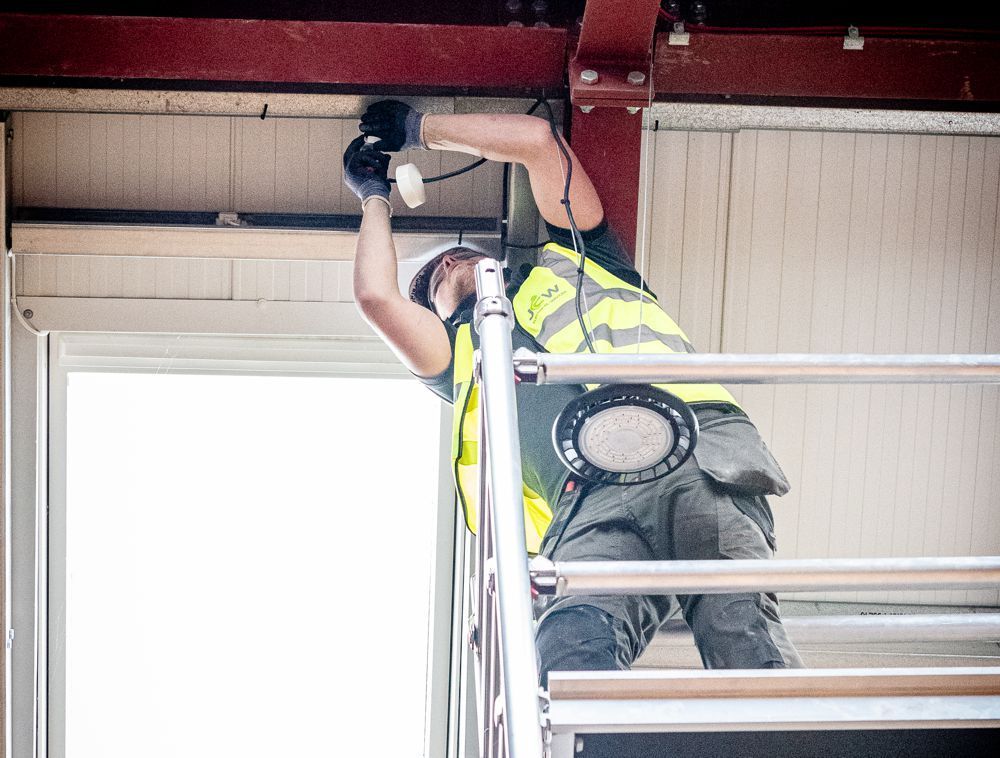
A construction worker in a high-visibility vest stands on scaffolding, working on electrical wiring near a ceiling.

Reliable systems that stand up to daily use

Commercial and industrial environments demand electrical systems that cope with real workloads. Distribution, containment, power supplies, and upgrades need to perform consistently. The aim is infrastructure you don’t have to think about - because it simply works.

Practical solutions for real environments

Most projects take place in buildings that remain operational. Work is coordinated carefully to minimise disruption and maintain safety. Sequencing, access, and communication are managed so your operations continue with as little interruption as possible.
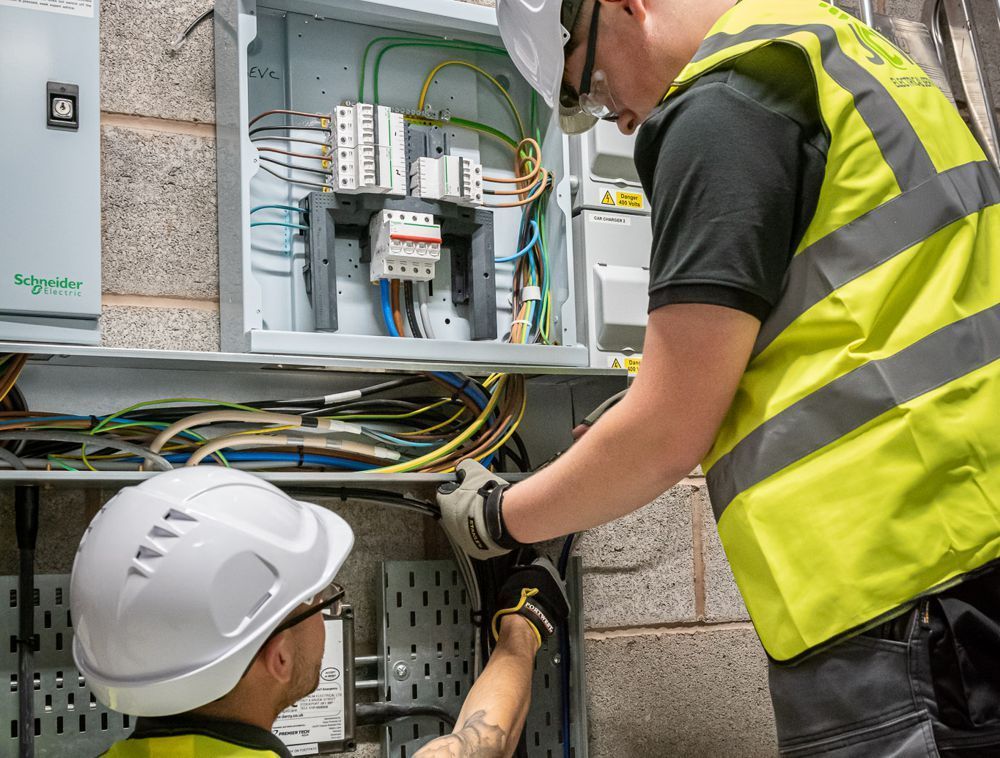
Two workers wearing hard hats and high-visibility vests perform electrical work on a circuit board mounted on a brick wall.
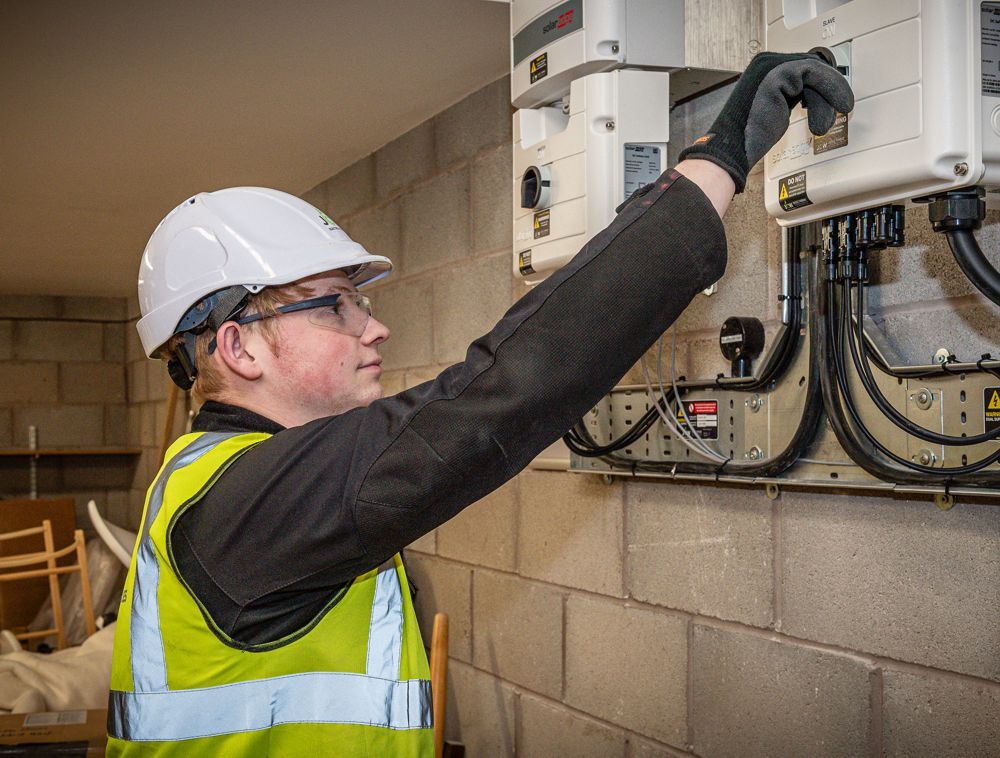
A technician in a hard hat and high-visibility vest inspects electrical equipment mounted on a grey cinder block wall.

Installed to a professional standard

Electrical work is delivered by an experienced in-house team who understand the importance of consistency and accountability. Attention to detail matters - from clear labelling to safe isolation and testing - so the finished installation reflects the standard expected.

Systems designed to last

From internal upgrades to site-wide electrical infrastructure, the objective remains the same: clear advice, competent delivery, and systems that remain reliable long after completion.

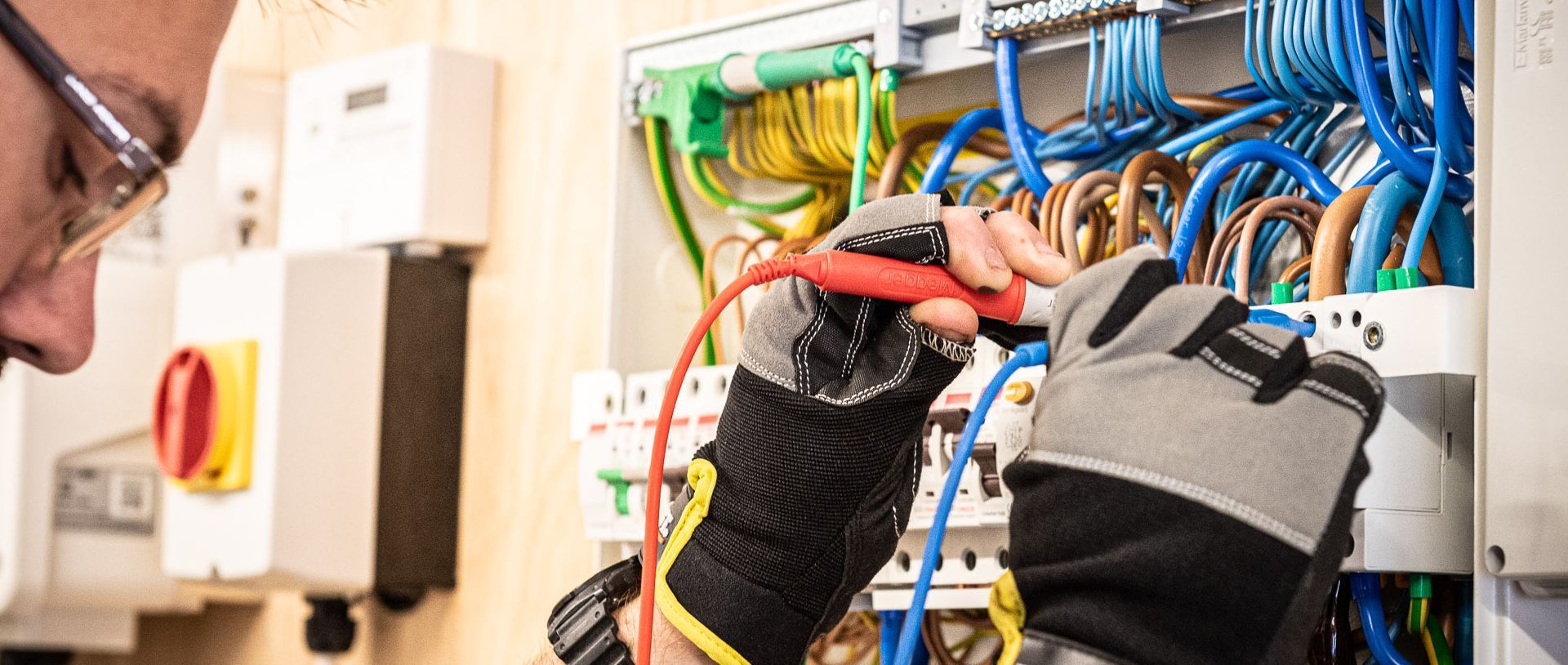
A person wearing red and black work gloves untwisting small, colored electrical wires.

Speak to people who take electrical work seriously

If you need electrical work handled professionally and with long-term reliability in mind, start with a conversation.
📞 Call to discuss your project
📩 Make an enquiry to arrange an initial meeting

FAQs

  • Can electrical work be carried out while our building remains operational?

    Yes, in most cases it can. Many projects take place in live environments where businesses continue operating. Work is planned and sequenced carefully so disruption is kept to a minimum while maintaining safe working practices throughout the installation.

  • What types of electrical work do you typically carry out?

    Projects range from internal electrical upgrades and distribution changes through to external infrastructure and power supplies for equipment or services. Work is usually delivered across commercial and industrial environments where reliability and long-term performance are important.

  • How do you minimise disruption during electrical works?

    Planning is key. Access routes, working areas, and sequencing are discussed before work begins. In some cases tasks can be scheduled outside normal operating hours. The aim is always to complete the work safely, while allowing your site to continue functioning as normally as possible.

  • Who carries out the installation work?

    Installation is carried out by JCW’s in-house engineers rather than being passed to unknown subcontractors. This keeps standards consistent and ensures clear accountability for the work delivered.

  • Will the electrical system be tested after installation?

    Yes. Testing and verification are an essential part of electrical work. Once installation is complete, systems are checked to confirm they operate safely and perform correctly before being handed over.

  • Can existing electrical systems be upgraded rather than totally replaced?

    Often they can. In many buildings, electrical infrastructure can be improved or extended rather than completely replaced. An initial assessment helps determine the most practical and cost-effective approach.

  • How do we know if our electrical infrastructure needs upgrading?

    Signs can include increasing power demand, ageing equipment, or systems that no longer meet current operational needs. A professional assessment can identify whether upgrades are required and what options are available.

Commercial solar and battery systems built around real businesses, delivering dependable performance long term.